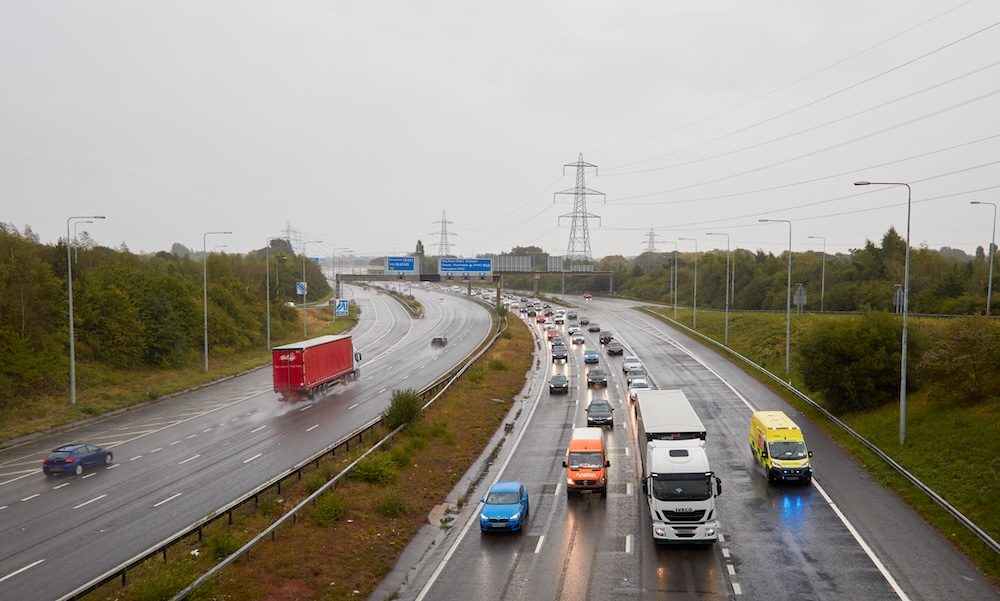
National Highways is calling on fleet operators to equip their drivers with basic post-collision response skills, following the launch of a new free online training programme aimed at improving safety on England’s motorways and major A roads.
The course is designed to support commercial drivers who may be among the first on the scene of a road traffic collision. The training takes less than an hour to complete and is divided into three 20-minute modules.
These cover how to make an effective 999 call, how to deal with danger and protect both yourself and the scene, and how to provide basic first aid until emergency services arrive.
The initiative comes as new figures highlight the scale of the challenge. In 2024, 1,931 people were killed or seriously injured on England’s motorways and major A roads. Evidence suggests that up to 50% more lives could be saved if bystanders delivered first aid in the moments before emergency services reach the scene.
With more than 5 million vans on UK roads, commercial drivers are frequently among the first to encounter incidents. National Highways believes giving them the confidence to respond appropriately could make a meaningful difference.
Mark Cartwright, head of commercial vehicle incident prevention at National Highways, said: “Motorways and major A roads carry around two thirds of all freight traffic in England, so we potentially have millions of commercial drivers that are often among the first people at the scene following a collision.
“This training is not about pressuring anyone to do anything they’re uncomfortable with, it’s about being collaborative and realistic, and providing information that might help save lives.”
The programme has been developed with clinical input from Professor Tim Nutbeam, a consultant in emergency and prehospital emergency medicine at Plymouth Hospitals NHS Trust and Devon Air Ambulance.
Nutbeam said: “What happens in the first few minutes following a collision can make a real difference and I believe this type of project can help improve safety on the road network.
“This isn’t about turning commercial drivers into paramedics – it’s about empowering and equipping people with basic knowledge so they understand what they can help with, while always putting their own safety first.”
National Highways is encouraging operators to integrate the training into their existing driver development programmes as part of a wider effort to improve post-collision care.
Related used vehicles for sale



-LTD_22-04-2026-01-02-32-011.png)

-LTD_22-04-2026-01-02-39-886.png)